Enhancing Ocean Education: Celebrating Shark Awareness Day
Each year on July 14th, Shark Awareness Day is celebrated to shine a spotlight on these magnificent creatures of the ocean. This day is more than just a celebration; it is an opportunity to educate the public about the importance of sharks in our ecosystems, dispel common myths, and promote conservation efforts. Shark Awareness Day is intrinsically linked to broader ocean education experiences, offering a gateway to understanding the intricate balance of marine life.
Sharks are often misunderstood and feared due to how they have been portrayed in the media and popular culture. However, they play a critical role in maintaining the health of our oceans. As apex predators, sharks help regulate the populations of other marine species, ensuring the balance of the ecosystem. Sharks help maintain the genetic health of prey populations and prevent the overgrazing of seagrass beds and coral reefs by herbivorous fish.
Despite their fearsome reputation, shark attacks on humans are extremely rare. According to the International Shark Attack File, the worlds only scientifically documented, comprehensive database of all known shark attacks, you have a higher likelihood of being struck by lightning than being attacked by a shark! Educational campaigns like this continually aim to replace fear with fascination, highlighting the beauty and importance of these creatures.
Many shark species are currently threatened or endangered due to overfishing, bycatch, and habitat loss. Shark Awareness Day promotes conservation efforts aimed at protecting these species and their habitats. Initiatives include advocating for sustainable fishing practices, establishing marine protected areas, and supporting legislation that bans shark finning. Public support is crucial for the success of these initiatives, and awareness campaigns play a vital role in garnering this support.
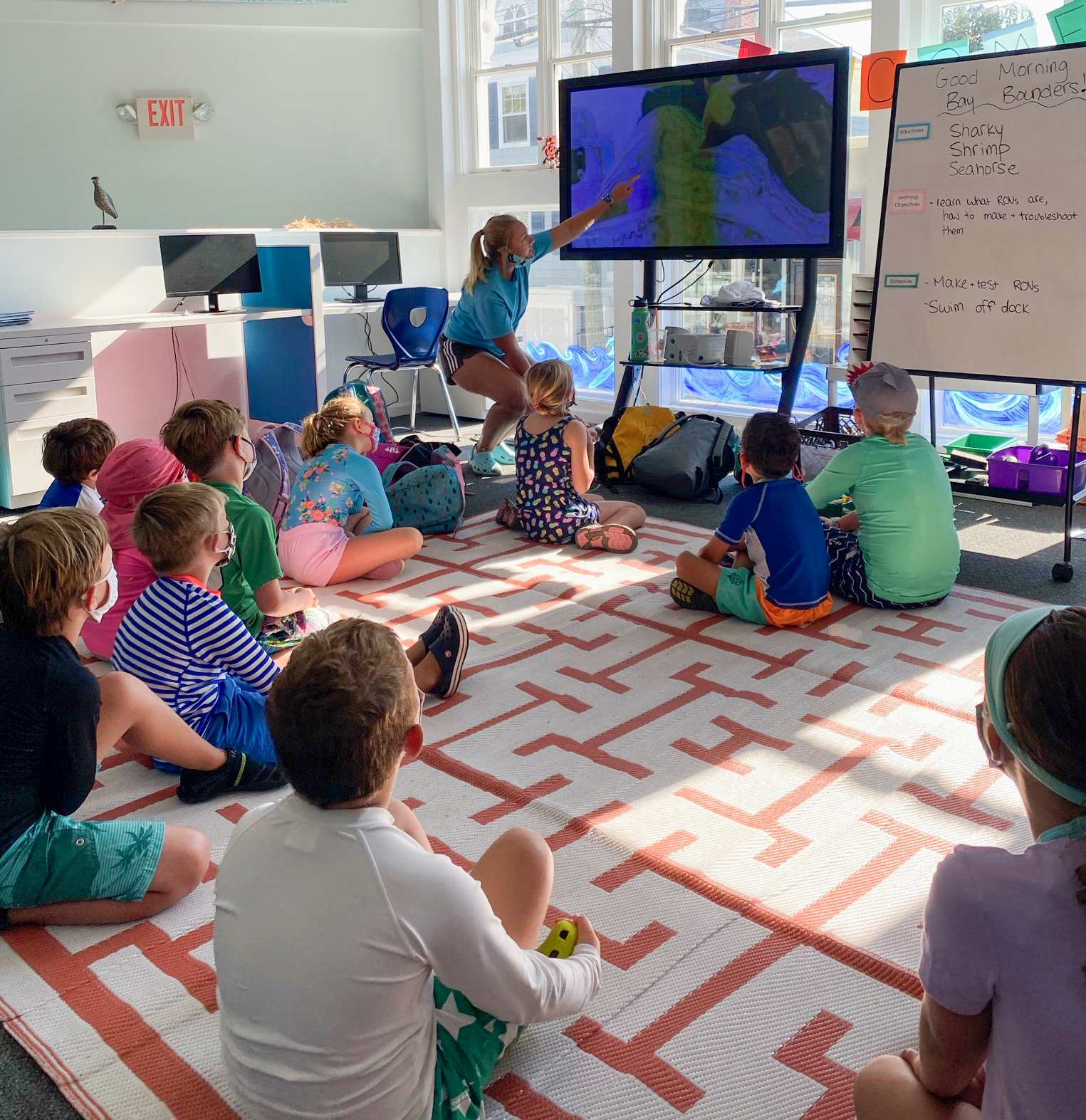
Shark Awareness Day promotes integrating shark conservation into broader ocean education programs, like NESS. From as early as pre-kindergarten, NESS students can dive deep into the world of ocean education, and more specifically, sharks. Together, we identify the anatomy and create connections for function for survival, investigate various species through activities and games, and learn how shark scientists conduct research. Curiosity and open-minded thinking fuel the investigation of sharks and their ecological functions. By engaging with sharks in a safe and educational environment, participants gain a deeper understanding and appreciation of these misunderstood marine species.
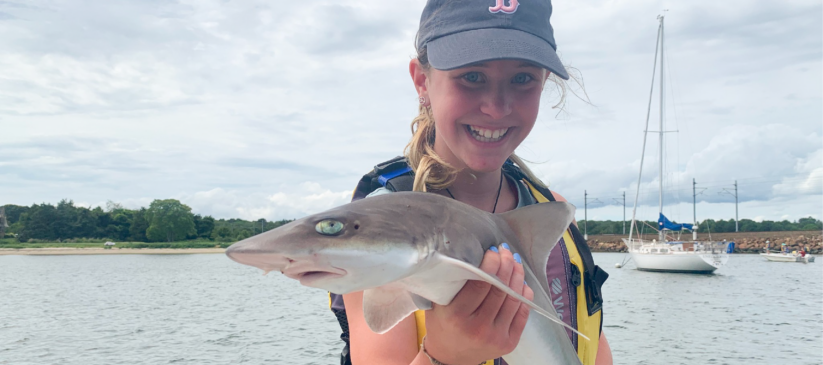
The kids were very enthusiastic and asked so many questions, not only about sharks but about how I was able to interact with them safely for both the sharks and the people I was working with. The campers were so excited about what they learned about sharks they wanted to continue learning about them the following day as well as what they could do to be able to possibly work with them one day."
Maintaining a sustainable natural environment is one of NESS’s four core values. At NESS, we believe that building respect for one another and our environment helps build strong character. NESS advocates for good stewardship by actively participating in the Unified Water Study to measure human impact on, and the relative environmental health of Long Island Sound embayments; Using the Rozalia Project Marine Debris Tracker App to better understand the problem of marine debris; Co-hosting the annual Recycle Regatta where students gain an appreciation for recycling and stewardship; Reporting pollution in our community; and so much more.
Education is the cornerstone of conservation. By instructing young students about sharks and their role in the ocean ecosystem, shark awareness and appreciation can inspire the next generation of ocean stewards. NESS programs emphasize the interconnectedness of all marine life, fostering a sense of responsibility and stewardship for the environment. Students learn that protecting sharks is not just about saving a single species, but about preserving the health of the entire ocean.
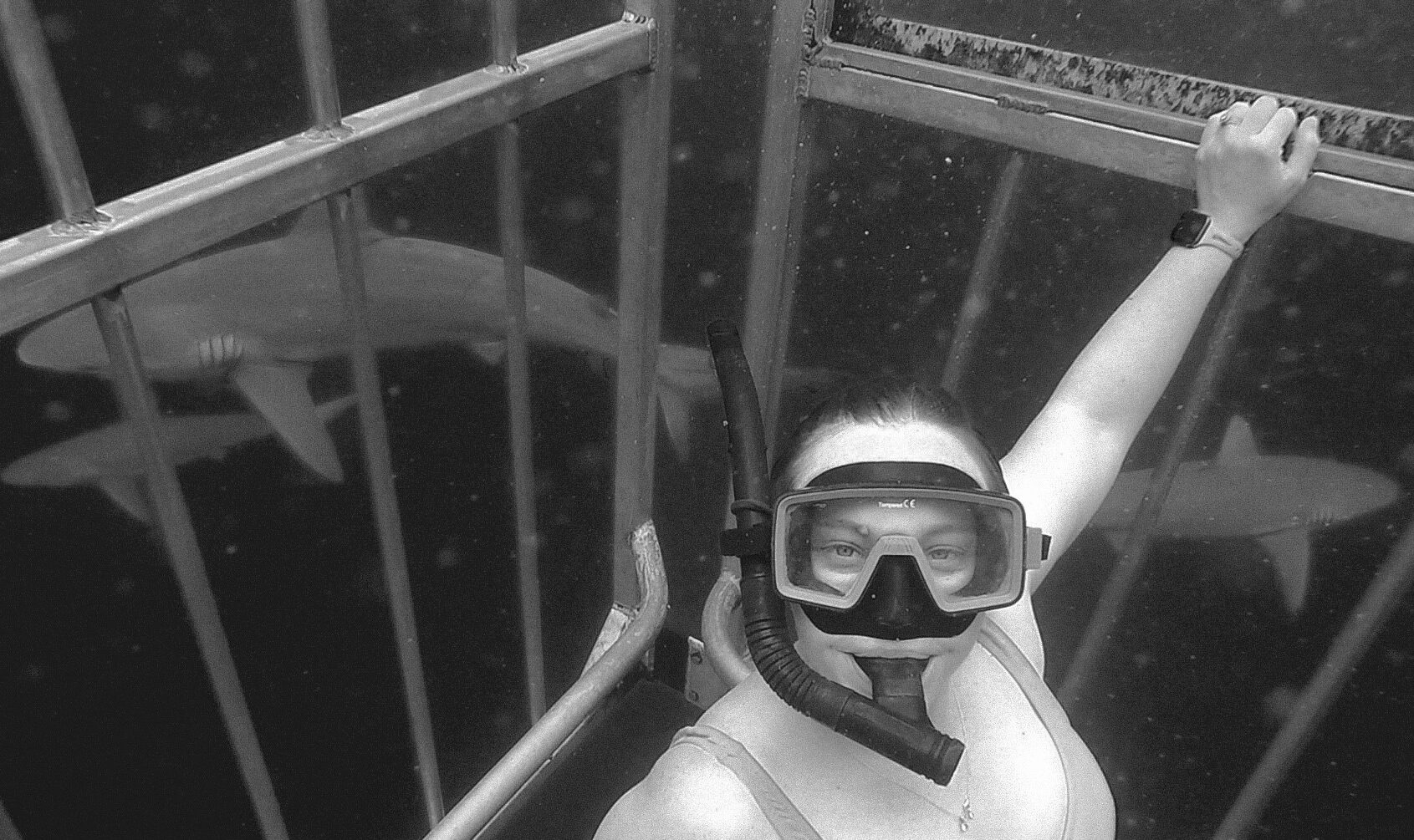
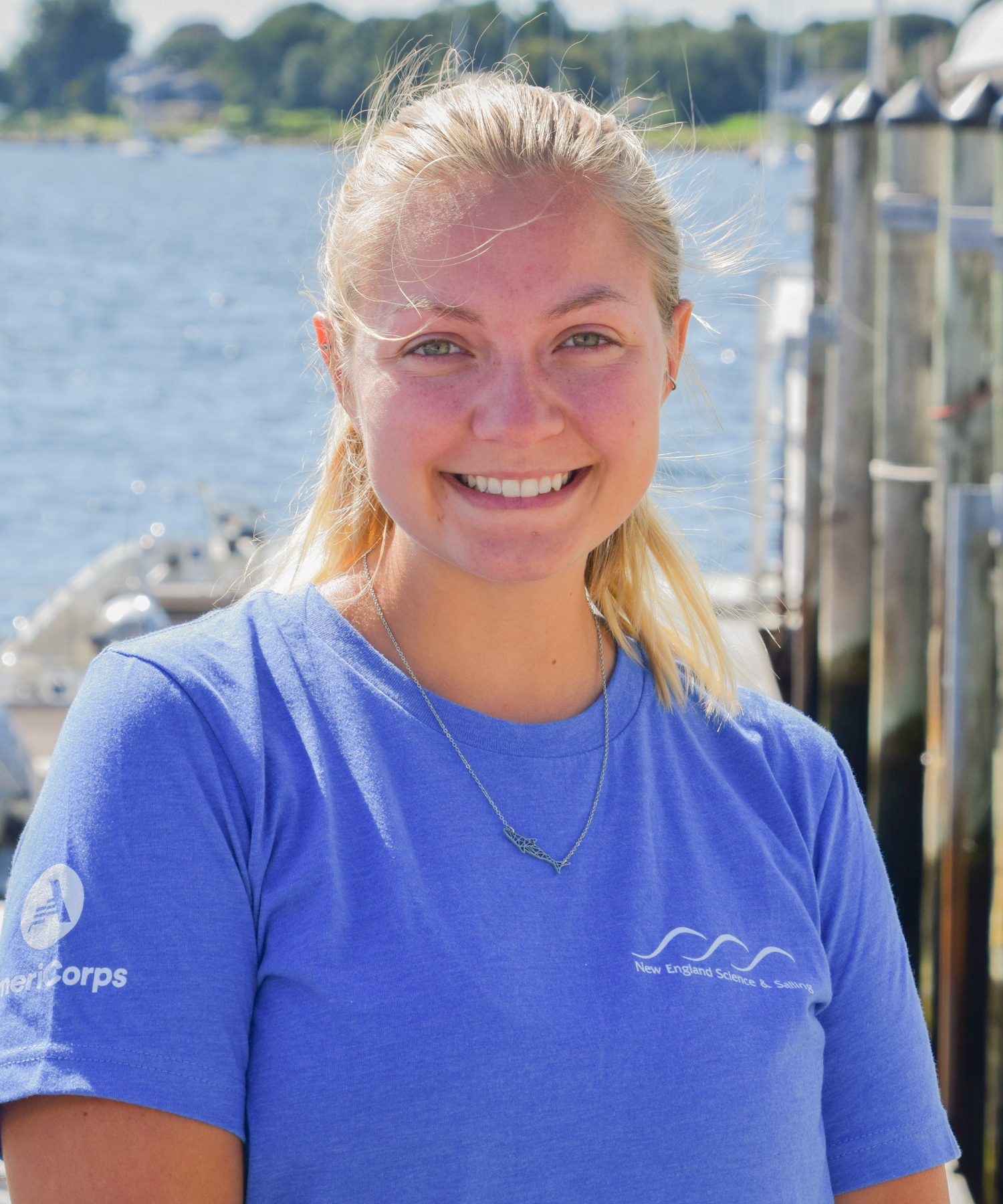
Nowadays, I may not be an ichthyologist, but I can share my passion through NESS's marine science programs. I get to teach the public about sharks and their many adaptations to survive in our oceans for thousands of years! This way students can be inspired by the uniqueness of sharks instead of only thinking of them as the mindless hunting machines portrayed in the media."

By fostering a greater understanding of sharks and their role in the marine ecosystem, we can promote conservation efforts and ensure the health and balance of our oceans for future generations. Whether you are a student, educator, or simply a marine life enthusiast, there are many ways to get involved and make a difference. Celebrate Shark Awareness Day by diving into the world of sharks and becoming an advocate for their protection.
This summer, I'm channeling that knowledge to inspire students about elasmobranchs and the excitement of up-close interactions with them. We explore sharks' crucial roles in food chains, compare their anatomy to bony fish, and envision the impact on our oceans if sharks were to disappear. My mission is to illuminate the true value and importance of sharks, fostering a sense of wonder and respect rather than fear in our students!”

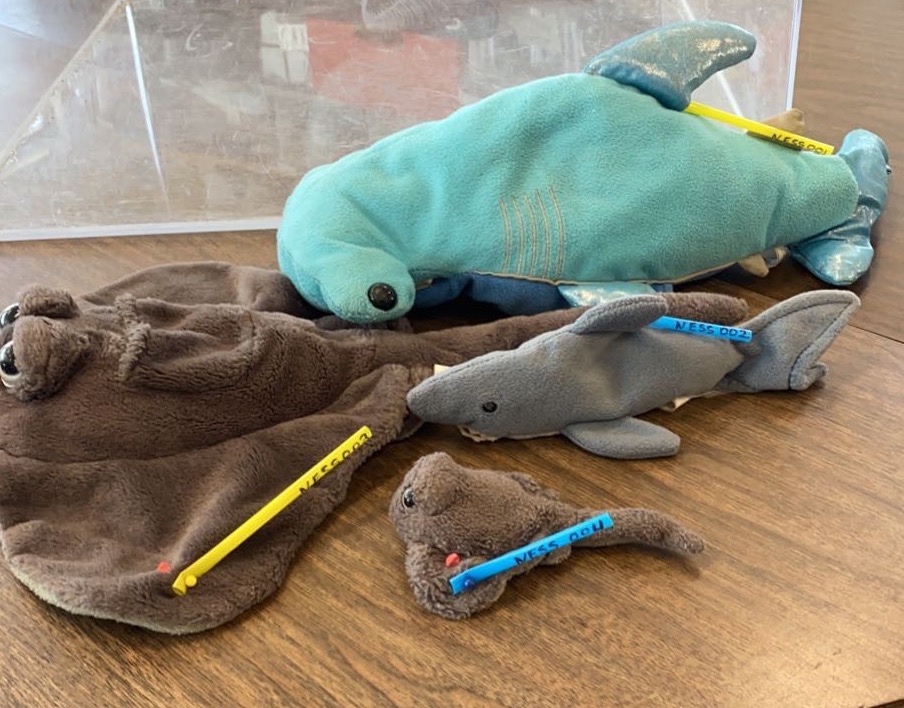
One activity involved the students putting their researcher caps on and learning how some sharks and sting rays are tagged for population studies. This included students tagging either a stuffed shark or sting ray and measuring how long each one was. They also discovered that populating studies are important because they tell researchers how healthy a population is and if sharks need more protection in certain areas. This lesson stood out to me above others because these young students not only remembered our activities but also the reasonings behind the importance of studying and protecting shark species.”