Save the Sound: Unified Water Study
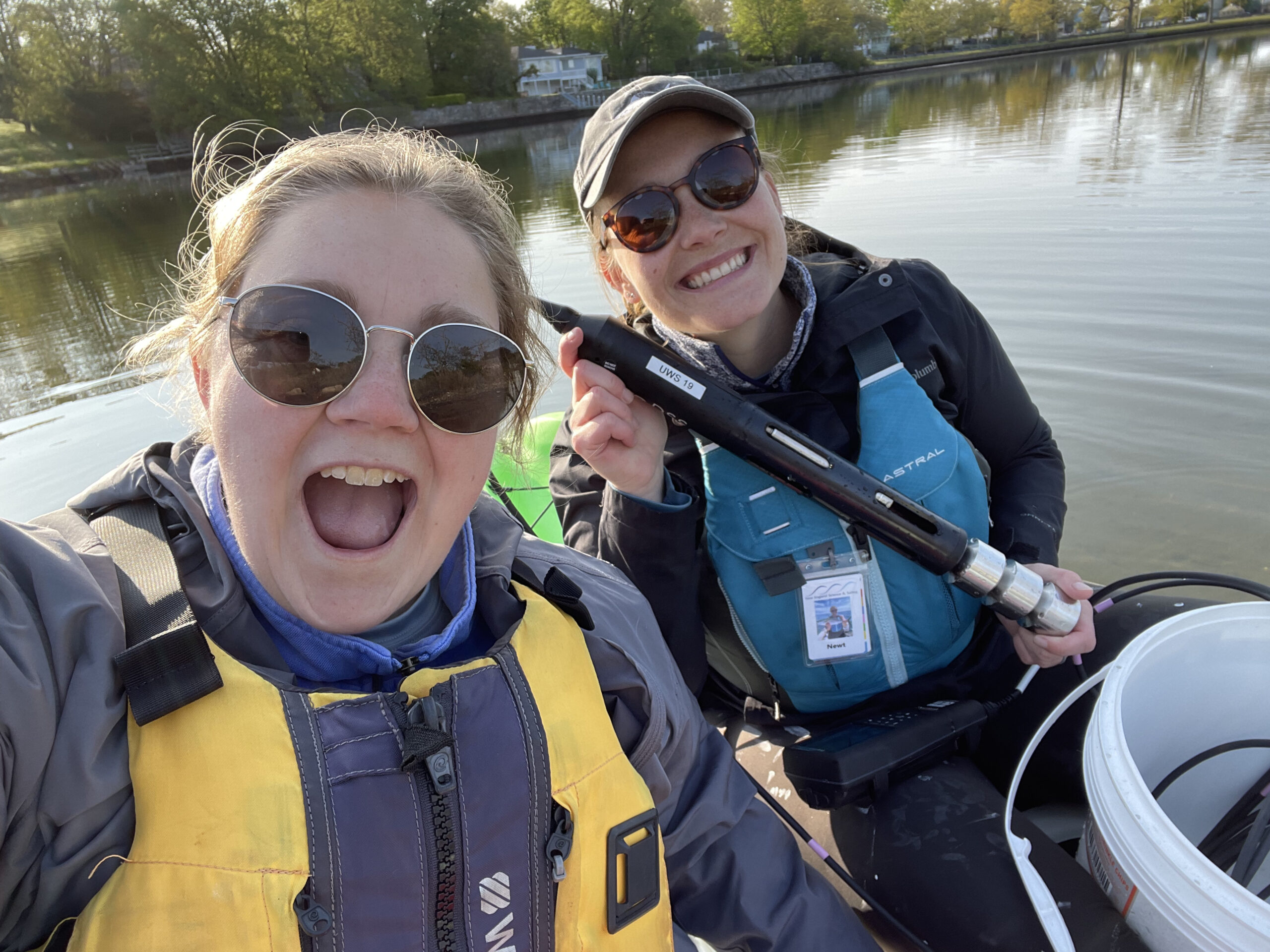
Save the Sound's Unified Water Study (UWS) is designed to measure human impact on and the relative environmental health of Long Island Sound embayments. NESS partners with Save the Sound to gather water quality data and research in Stonington Harbor.
Unified Water Study
As part of the UWS, NESS collects data covering a variety of water quality parameters associated with eutrophication within and adjacent to embayments in Stonington. The parameters we will be monitoring are dissolved oxygen, conductivity (salinity) chlorophyll a, temperature, turbidity, and qualitative macrophyte assessments.
Why should we study the Sound?
It is hard to determine the health of LIS, because it covers such a large area of water and different groups have different methods to test water quality conditions. The Unified Water Study (UWS) was created so that groups around LIS can compare data on the environmental health of the bays and harbors of the Sound. This project started in 2017 and will help increase the data available to assess LIS’s water quality. This can help us understand the Sound and what we need to do to keep it working as it should!

Why do we need the UWS?
Despite three decades of effort to improve water quality, Long Island Sound remains a severely stressed environment. In the western sound (from Greenwich to Nassau County) dissolved oxygen concentrations—a key measure of the Sound’s health—consistently fall to levels too low to support wildlife. In 2017 Save the Sound (a bi-state program that is part of the Connecticut Fund for the Environment) launched the UWS. While the pollution in the open Sound has been monitored for decades, the condition of the bays and harbors (where most of the public comes into contact with Long Island sound) can be dramatically different that the open Sound.
Typically, it is hard to compare water quality conditions in the Sound’s many embayments since the monitoring work in these embayments is usually conducted by different groups using different methods. The water quality monitoring protocol developed by the UWS allows groups along Long Island Sound to collect comparable data on the environmental health of the Sound’s embayments.
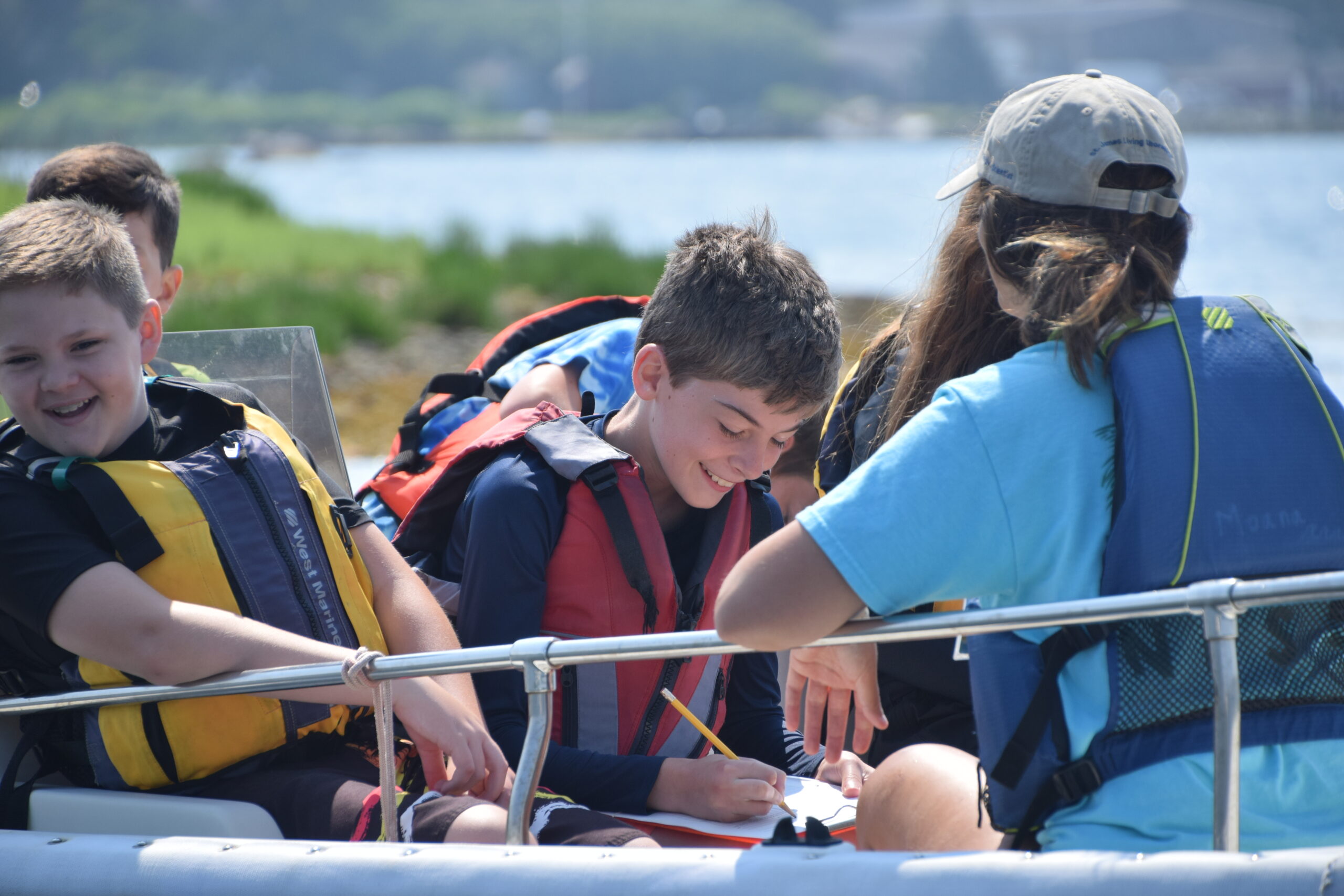
“Participating in the Unified Water Study is a great way for NESS to contribute to important scientific research, be stewards of our environment, and engage students and AmeriCorps members on water quality monitoring techniques. Personally, I love doing UWS because I am able to see trends in how Stonington Harbor and Alewife Cove change throughout the year, which is really interesting to me. Being out on the water at sunrise is so beautiful too!”
– Nina Quaratella, NESS Director of Programs
“I would say that one of the best parts about participating in the Unified Water Study is getting out on the water for sunrise is so peaceful. The water is almost always calm like glass and the way the colors of the sunrise reflect on the water is so incredibly beautiful it is hard to put it into words.
Also, by collecting our data, we become more connected to our local waters and more deeply understand the aquatic ecosystem that we utilize every day for our programs with our students. It shows that we care about The Sound and are not just using it for our own benefit!”
– Sarah L., NESS SEA AmeriCorps Alumna
For more information about the UWS and Save the Sound, visit Water Monitoring: Ecological Health.