
How Does Ocean Education Improve STEM Engagement?

STEM
Science, technology, engineering, and math (STEM) curriculum was created 20 years ago after a series of academic papers found that there are links between “prosperity, knowledge-intensive jobs dependent on science and technology, and continued innovation to address societal problems.”[1] Unfortunately, at the time, students in the U.S. were not performing in STEM fields as well as other countries. To adapt to our changing society with a greater focus on STEM principles, advances have been made in the implementation of the STEM curriculum in the U.S. Today there are entire schools devoted to STEM!
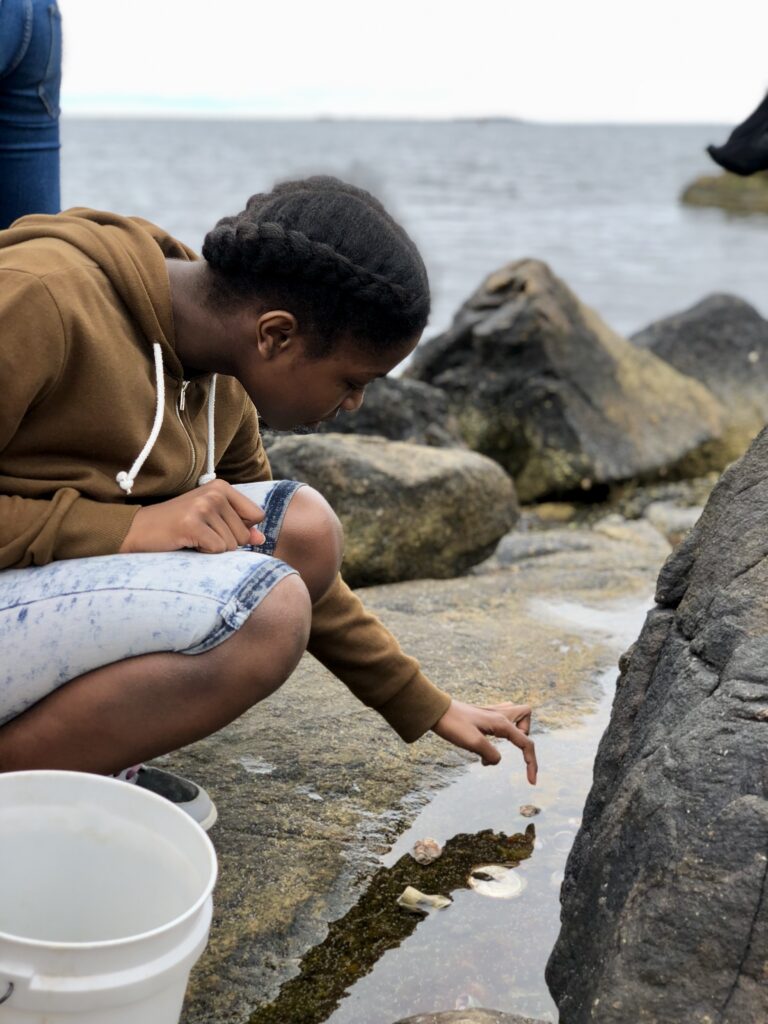
At its heart, STEM is an interdisciplinary, applied curriculum. STEM lends itself well to experiential learning. While there are many ways to deliver STEM curriculum, outdoor education supports STEM in ways traditional classrooms cannot. Our brand of ocean education takes outdoor learning one step further. We provide students with an opportunity to get out in the field and experience STEM in the real world. NESS programs enable students with the knowledge and tools to apply STEM in their academic and professional lives through scientific inquiry, problem-based learning, and socio-emotional growth.
STEM at NESS
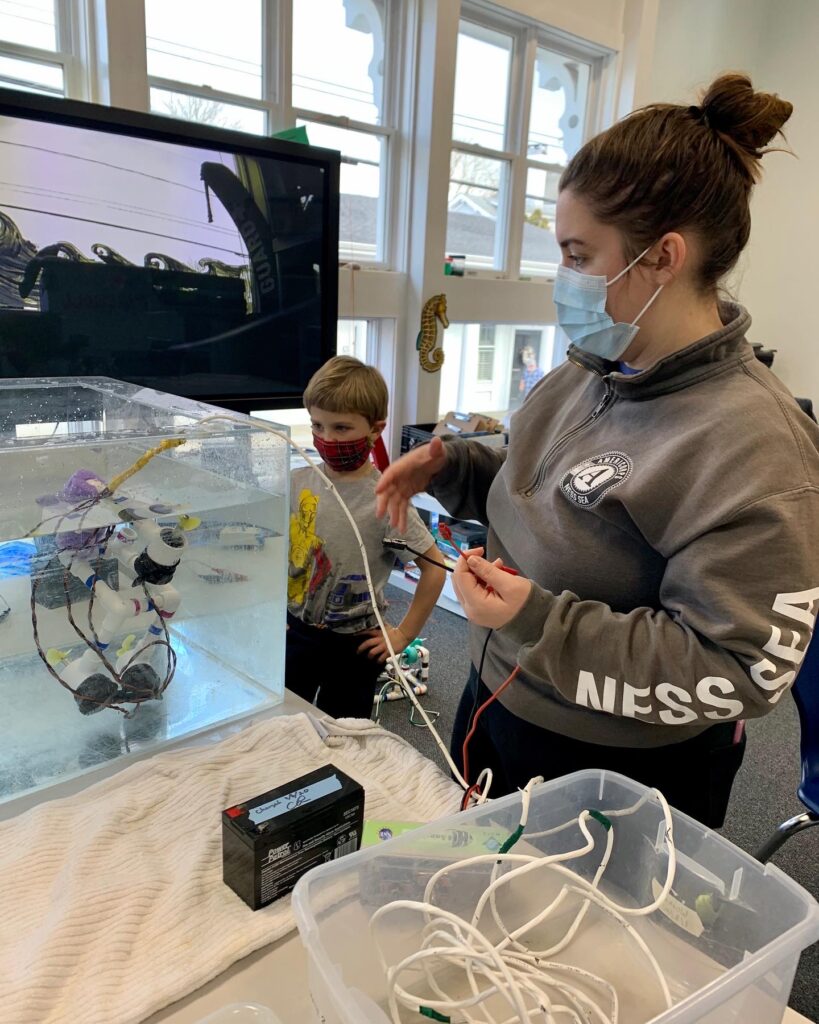
While many of our programs use ocean education to increase STEM engagement, NESS’s Remotely Operated Vehicle (ROV) lesson takes STEM curriculum under the water! We give students the tools to design and build their own ROV. The students continue the engineering process by testing their ROV in the ocean. Then they make modifications to improve their design. To integrate topics beyond engineering, students must have knowledge of how saltwater affects the density of the ROV, how the ROV technology might affect the organisms it encounters, and how to use detailed mathematical measurements on their ROV’s blueprints to ensure it can be replicated. This brings real world ocean technology to students to engage them in STEM learning at any grade level or ability.
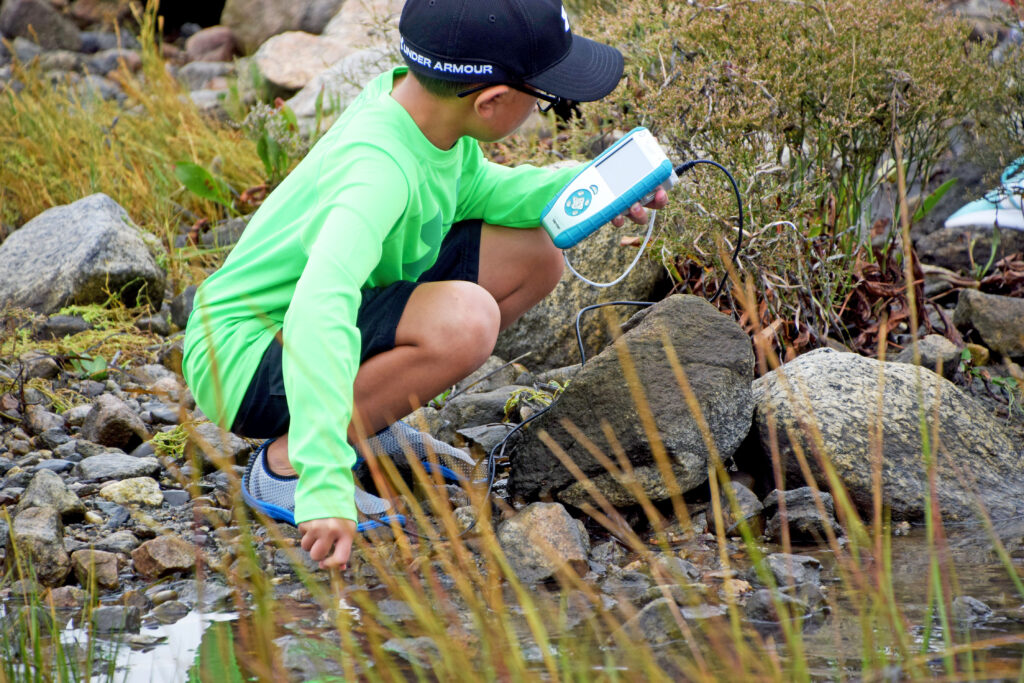
NESS prides itself in being a leader in STEM ocean education. As an organization, we are continuously looking for new ways to bring the students to the ocean and the ocean to the students.
By: Megan “Spyro” Strand, Program Director
[1] Hallinen, J. (2020, July 15). STEM. Encyclopedia Britannica. https://www.britannica.com/topic/STEM-education
